Suzuki boosts hybrid and biogas production in India
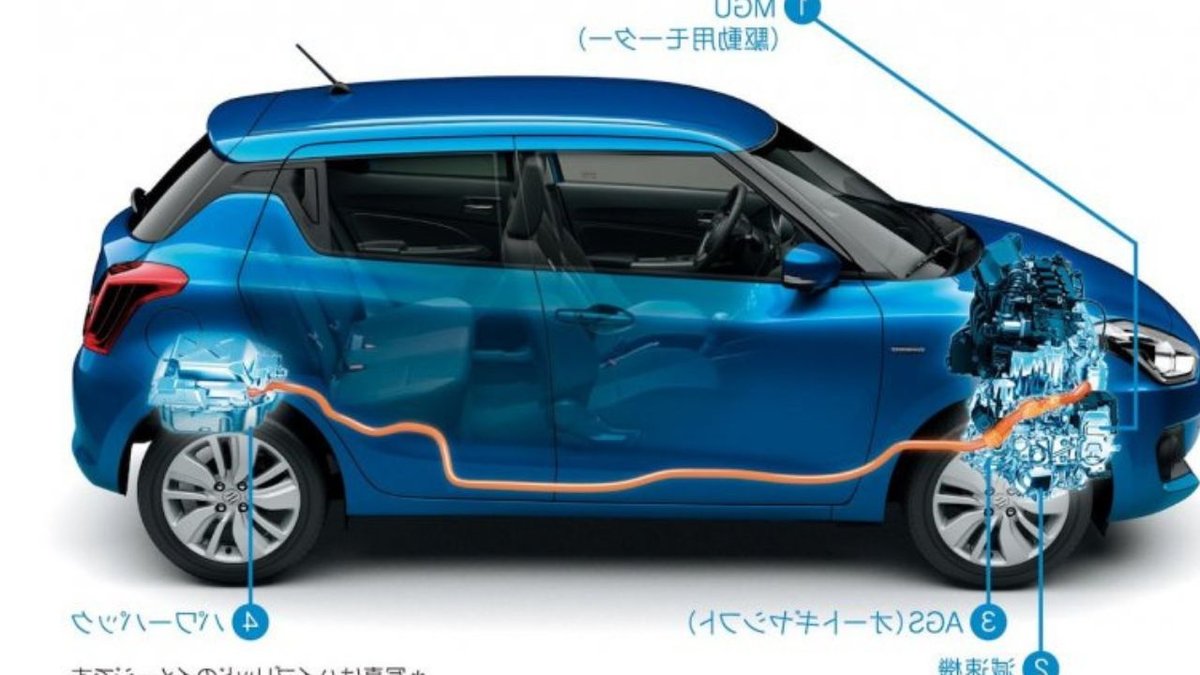
Suzuki is reinforcing its commitment to India as the foundation of its worldwide expansion, investing heavily in hybrid powertrains, compressed biogas (CBG), and expanded production capabilities. This strategy builds on Maruti Suzuki’s existing dominance, as the company already accounts for over 40% of Suzuki’s global revenue and nearly 60% of its total vehicle output. By FY2030, the manufacturer targets annual production of 4 million vehicles in the country, while adapting its technology roadmap to align with evolving consumer needs. The company’s powertrain lineup will diversify to include a new Super Ene Charge hybrid system, series-hybrid architectures, and turbocharged engines, complementing its existing BEV and CNG offerings.
These developments address regional priorities while maintaining internal combustion options alongside electrification efforts. The push into CBG is particularly notable, with Suzuki’s third facility in India commencing operations in August 2026. This plant converts agricultural waste into fuel-grade biogas and organic fertilizer, supporting both the Japan-India Cooperative Biogas for Growth initiative, finalized in July 2026, and India’s SATAT program, which aims for 15 million metric tons of annual CBG production. This output is estimated to cover roughly 40% of the country’s CNG requirement, giving Suzuki a sizeable domestic base for future bio-CNG utilization across its existing CNG fleet.
Manufacturing growth will be driven by the Kharkhoda plant, which is on track to reach 1 million units per year by FY2030. Concurrently, Suzuki plans to increase exports from India to global markets, leveraging efficiency gains across its operations. Digital tools and modular designs will reduce new model development lead time by 50% by 2030, while also delivering 30% higher development efficiency and 50% better manufacturing efficiency. Lightweighting remains a core focus through the S-Light program, which seeks to reduce vehicle mass without compromising safety standards. This initiative directly improves fuel efficiency and extends EV range for battery-powered models. Meanwhile, the SDV Lite platform targets cost-conscious markets like India by simplifying software-defined vehicle architecture.
Insights from Suzuki’s e-SKY electric system will further inform future product refinements. The company’s strategy reflects a balanced approach to India’s mobility environment, where affordability and sustainability must coexist. While challenges persist, particularly around CBG infrastructure and EV charging networks, Suzuki’s investments position India as a proving ground for scalable solutions. By prioritizing hybrid and biogas technologies alongside BEVs, the manufacturer avoids an abrupt shift toward full electrification, instead tailoring its offerings to local economic realities and regulatory frameworks. This pragmatic balance shows Suzuki’s view of India as both a high-growth market and a laboratory for technologies with broader global potential.

Hero Splendor leads India’s two-wheeler sales surge


