Tesla unveils futuristic Roadster with flight, 0.8-second acceleration
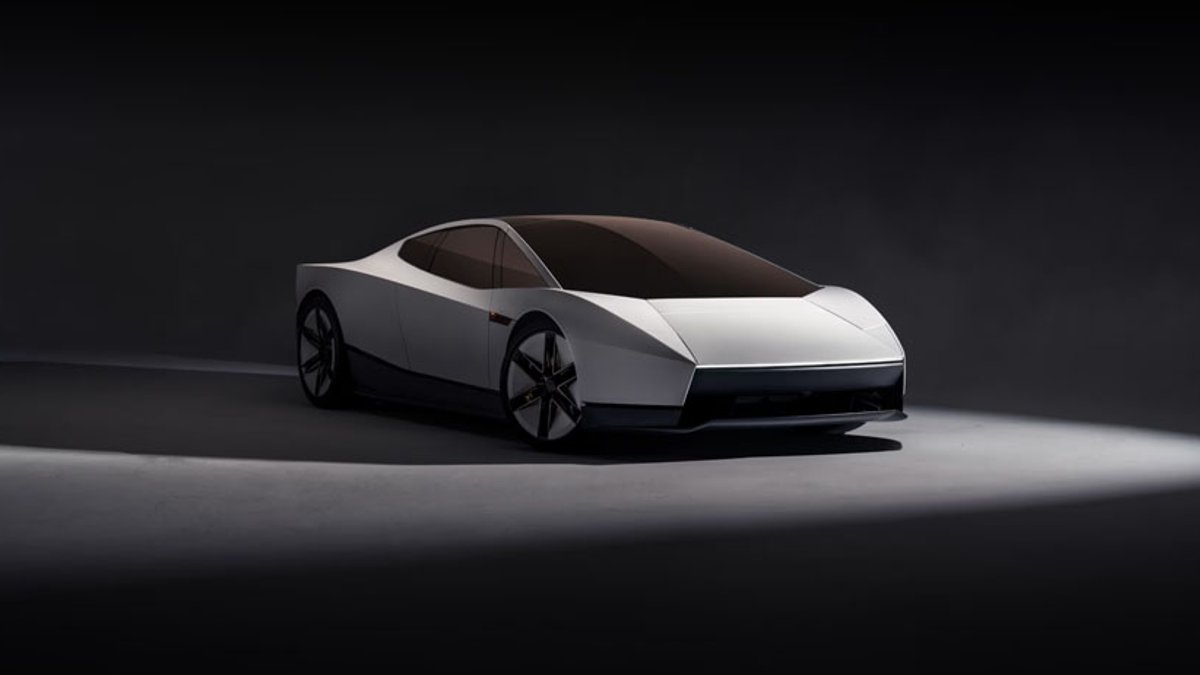
Tesla has finally revealed its next-generation Roadster after nearly nine years of postponements and shifting expectations, presenting a vehicle that defies all prior design and performance commitments. The original 2017 concept—a streamlined electric sports car—has been scrapped in favor of a radical new design featuring sharp, angular lines inspired by the company’s Cybertruck. This departure from flowing curves emphasizes aerodynamics and performance, positioning the Roadster as Tesla’s last manually driven vehicle while other models advance toward autonomy. The car’s performance metrics push conventional limits. Tesla claims it will reach 0 to 60 mph in 0.8 seconds, a figure Elon Musk has suggested could improve further. To achieve this, the vehicle integrates SpaceX-derived cold-gas thrusters alongside its electric motors.
An active downforce system beneath the car generates up to 2 g of cornering force—levels typically reserved for racing machinery rather than street-legal sports cars. Musk has stated the Roadster will surpass existing speed records, though independent verification remains pending. The combination of electric torque, aerospace propulsion, and active aerodynamics creates a performance envelope unmatched by any major automaker. While the sheer acceleration may pose physical challenges for occupants, Musk’s comment about “not detaching someone’s retinas” signals a willingness to prioritize extreme capabilities over conventional comfort. The most ambitious claim, however, is the Roadster’s ability to fly. The underbody fans and SpaceX thrusters are designed to enable brief airborne maneuvers, blurring the boundary between sports car and aircraft.
Tesla emphasizes these capabilities are limited to short, controlled movements rather than sustained flight, but the very notion of a production-intended electric vehicle capable of leaving the ground remains unprecedented. Even without flight, the original Roadster’s specifications, exceeding 250 mph and offering a 620-mile range with a 200-kWh battery, already positioned it as one of the most ambitious electric performance cars ever proposed.
With the addition of airborne potential, the new Roadster now resembles something out of science fiction. A $50,000 reservation deposit is required, with orders reopened in September. Production is now targeted for 2028, though significant engineering challenges remain. Ensuring the vehicle’s radical systems are safe and reliable for customers will be critical, particularly given Tesla’s history of delays.
The original Roadster missed its 2020 launch by nearly eight years, raising questions about whether the next iteration can meet its new timeline. Beyond its exterior, the Roadster’s interior redefines the driver’s experience. Early renderings depict a minimalist cockpit with a single curved display replacing traditional dials. The steering wheel will be lightweight, incorporating haptic feedback to simulate physical resistance, aligning with the car’s racing heritage.
Seating positions are designed to be low and adjustable, prioritizing a driver-focused posture that complements the vehicle’s performance ambitions. Unlike Tesla’s other models, which increasingly emphasize autonomous driving, the Roadster’s interior will maintain a strong emphasis on manual control, reinforcing its role as the brand’s final manually driven vehicle. The collaboration with SpaceX introduces unprecedented engineering hurdles. Cold-gas thrusters, adapted from Starship development, require precise calibration to prevent destabilization during ground operations.
Engineers must integrate these systems seamlessly with the electric drivetrain to avoid conflicts between propulsion sources. The underbody fan system, capable of generating 2 g of downforce, demands rigorous testing to confirm reliability under real-world conditions. Early prototypes have undergone high-speed track evaluations, though Tesla has not disclosed whether these tests included flight maneuvers or sustained aerodynamic loads. The use of aerospace-grade materials, such as carbon-fiber composites and lightweight alloys, further complicates production, as these present unique manufacturing challenges compared to traditional automotive processes. Regulatory and practical obstacles remain unresolved. The vehicle’s ability to perform airborne maneuvers raises immediate questions about certification under existing aviation and automotive laws.
Related Post: Maruti Suzuki to Launch Electric MPV by 2027
The Federal Aviation Administration (FAA) and similar bodies abroad lack clear guidelines for road-legal vehicles with partial flight capabilities, leaving Tesla in uncharted regulatory territory. The company has not indicated whether it will seek dual certification as both an automobile and an aircraft, a process that could extend development timelines by years. Practical concerns also pose significant challenges.
The Roadster’s extreme performance metrics, sub-one-second acceleration, 2 g cornering, and potential flight, will require infrastructure few roads or racetracks can support. Even Tesla’s Supercharger network may struggle to accommodate the vehicle’s expected energy consumption, particularly if the 200-kWh battery pack remains the target. Early estimates suggest the Roadster’s charging demands could exceed those of the Model S Plaid, necessitating either ultra-fast charging stations or extended downtime for battery replenishment.
Additionally, the vehicle’s aggressive aerodynamics and propulsion system may limit its suitability for everyday driving, as factors like tire wear, road debris clearance, and wind resistance could become significant issues in real-world operation. The 2028 production timeline depends on resolving these technical and logistical challenges. Tesla’s history of delays, particularly with the original Roadster, which missed its 2020 launch by nearly eight years, has fueled skepticism among industry observers.
A customer who reserved the Roadster in September 2026 noted that Tesla’s initial marketing materials made no mention of flight capabilities, implying the feature was added late in the design phase. This late-stage evolution could indicate rushed integration of systems that may not have undergone the same level of refinement as the car’s electric drivetrain.
Competitors like Rimac and Porsche have advanced their own electric hypercars without making similarly bold claims, leaving Tesla to justify its position as the sole automaker pursuing such extreme performance metrics. Final specifications, including confirmed top speed, range, and battery capacity, remain undetermined, though Tesla has reaffirmed its commitment to exceeding the original targets of 250 mph and 620 miles.
Whether this hybrid system will require proprietary software to manage power distribution or rely on existing Tesla infrastructure is unclear. For now, development remains a closed process, with Musk noting that details will be revealed as they are finalized. The next milestone will be the first public test drives, scheduled for late 2027, where the vehicle’s claims can be scrutinized under controlled conditions.

Volvo Delays U.S. Delivery of New Electric SUV


