Volkswagen’s EV push strains profits as margins shrink
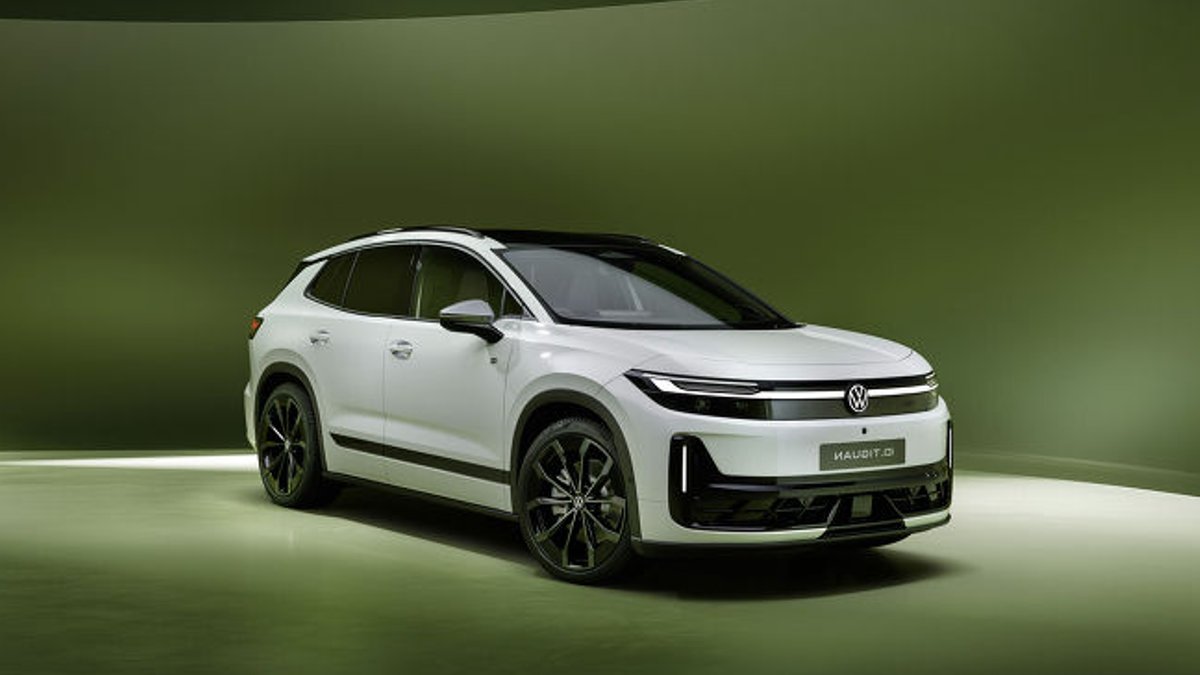
Volkswagen’s electric vehicle push is cutting into profits, with operating margins now at 3.8% for the first nine months of the year. The company confirmed this in its latest financial report, acknowledging that while electric vehicle demand is rising, battery-powered models generate lower returns than traditional combustion-engine vehicles. This trend shows a fundamental tension: EV sales are climbing, but they have yet to deliver comparable profitability.
Arno Antlitz, Volkswagen’s head of finance and operations, described the figure as “That is not enough in the long term,” though he emphasized that continued investment in competitive vehicles and advanced technology remains essential. He noted that profitability increases are necessary to sustain these investments.
Electric vehicles now account for 40% of Volkswagen’s European order book for the same period. Its Electric Urban Car Family, which includes the VW ID. Polo, ID. Cross, Cupra Raval, and Škoda Epiq, has already amassed roughly 150,000 pre-orders. However, margin pressures are unlikely to ease in the near term. The upcoming ID. Every1, set to launch in 2027, is designed as Volkswagen’s most affordable electric model, potentially reviving the ID. Up branding.
Read Also: Retro Car Features Drivers Want Back in Modern Vehicles
Volkswagen is also grappling with broader market challenges, including a contracting Chinese market, intense discounting by Chinese automakers in Europe, and U.S. trade tariffs. To address these issues, the company has initiated a €31 billion cost-reduction initiative focused on streamlining its model lineup, optimizing operations, lowering production expenses, and accelerating technology development. The restructuring could lead to the retirement of up to half of its current models, the possible discontinuation of SEAT, and 100,000 job cuts worldwide.
The company has also signaled it cannot guarantee production allocations at four German plants, Emden, Zwickau, Hanover, and Neckarsulm, beyond the 2031–2034 timeframe.


