Honda targets huge cuts and more Chinese parts
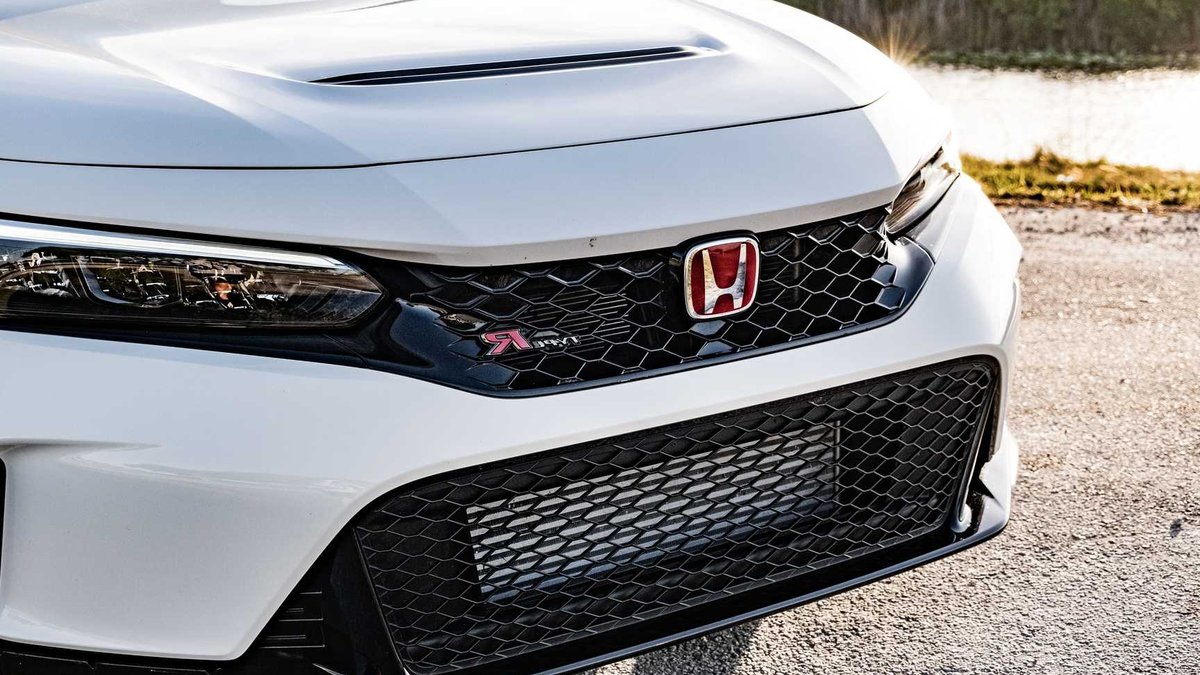
Honda wants suppliers to make “extremely large” cost cuts as it targets more than $9 billion in savings by 2030. The automaker is under growing pressure from Chinese automakers as it struggles with EV losses and shifts its focus back toward hybrids. According to internal documents seen by Reuters, the company aims to cut roughly 1.5 trillion yen, or nearly $9.6 billion, by the end of the decade.
Cost reductions have reportedly been broken down into specific categories. Suppliers have been told to lower prices for pressed and forged components, electrical parts, and hardware associated with software-defined vehicles. One source described these demands as “extremely large,” a directive that puts immense strain on an industry where margins are already razor-thin.
Simultaneously, Honda is encouraging suppliers to increase the use of components made in China. The automaker is also shifting more purchasing toward second- and third-tier suppliers producing standardized parts. This strategy aims to tap into the cost advantages that have helped Chinese manufacturers become more competitive.
Honda’s aggressive cost-cutting drive comes at a difficult time for the company. It has accumulated substantial losses in the electric vehicle segment and expects those losses to reach 2.5 trillion yen, or almost $16 billion. As demand for fully electric vehicles has not developed as quickly as anticipated, the company has shifted its focus toward hybrids to maintain sales momentum.
Japanese automakers have traditionally maintained extensive domestic supplier networks, while the broader industry has spent years trying to reduce supply-chain dependence on China for strategic components. Honda’s decision to tell suppliers to look to China if it can lower costs highlights the intense pressure traditional manufacturers face. If Chinese automakers can build cars with lower-cost components without sacrificing quality, established manufacturers have little choice but to find ways to close that gap.
Related: Reborn Pajero to Offer Compact, Small SUVs
This strategy reflects a broader trend within the Japanese auto industry. Nissan is also deep into a major restructuring, with plans to streamline its lineup and reduce production capacity. Toyota, the world’s best-selling automaker, remains financially stronger but is not immune to rising costs. Former CEO Koji Sato told suppliers earlier this year that “unless things change, we will not survive. I want everyone to acknowledge this sense of crisis.” Honda’s decision to push suppliers toward Chinese parts may therefore be less of an isolated move and more of a sign of where the Japanese auto industry is heading.
The automaker’s shift back toward hybrids is a calculated response to market realities. While the EV segment continues to lose money, hybrid models offer a bridge that preserves revenue streams without the heavy capital investment required for fully electric powertrains. This approach allows Honda to handle a turbulent transition period while keeping its fleet profitable.
Honda is not alone in this recalibration. The global automotive setting is undergoing a profound transformation as established manufacturers grapple with new competitors from Asia. The pressure to reduce expenses has never been higher, forcing even the most profitable companies to reconsider their supply chains and production methods.
By relying on Chinese manufacturing for standardized parts, Honda hopes to stabilize costs and improve profit margins. The automaker also faces the challenge of convincing suppliers that the long-term benefits of these changes outweigh the immediate financial strain.

Reborn Pajero to Offer Compact, Small SUVs


