What Do The Weights On Your Wheels Actually Do
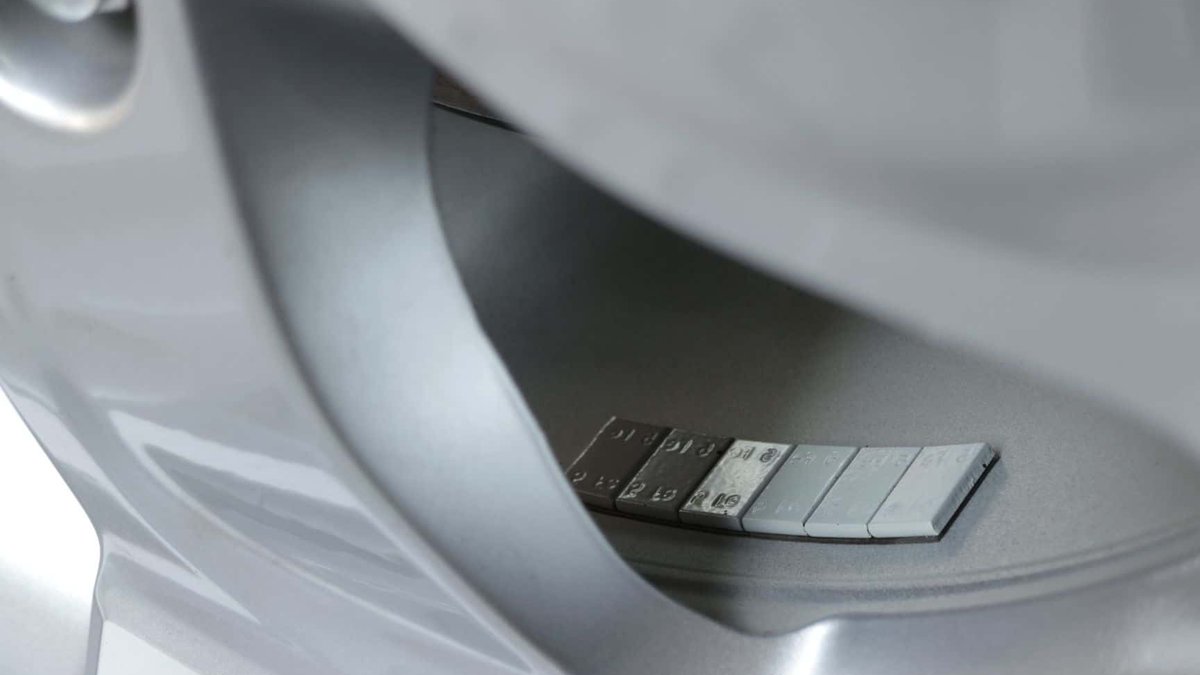
Small metal blocks attached to tires serve a specific purpose: they counteract uneven weight distribution around the assembly. Without them, even slight variations in the rubber, the rim, or the valve stem can create vibrations as the vehicle moves.
The Science of an Unbalanced Wheel
Neither component is perfectly uniform. Small differences in the tire’s rubber, the wheel itself, and the way the tire seats against the rim create heavier or lighter areas. At low speeds, these differences might not be noticeable. As rotational speed increases, however, centrifugal forces amplify the effects of that imbalance.
An unbalanced assembly can produce vibrations felt through the steering wheel, seat, or vehicle body. Technicians typically look for two types of imbalance: static, where a heavy spot causes the wheel to move up and down, and dynamic, where uneven weight distribution across the width of the wheel causes a side-to-side wobble.
Related: Hennessey Blackbirds sell out in hours
How Technicians Fix It
Wheel weights are placed on a balancing machine, which spins the assembly and identifies where the imbalance occurs. The machine then determines how much corrective weight is needed and exactly where it should be placed. Adding a small weight to the appropriate location counteracts the heavier section of the assembly, creating a calculated counterbalance.
Modern wheels often use clip-on weights or adhesive weights tucked behind the spokes or attached to the inside of the rim. This keeps the weights largely hidden while still allowing technicians to achieve the necessary balance. In some cases, a technician may reposition the tire on the wheel to reduce vibration rather than simply adding more weight.
While a few small weights are completely normal, an excessive amount of corrective weight can indicate a problem. A bent wheel that isn’t rotating perfectly true, a tire that’s out of round, or an incorrect balancing job could all require more weight than usual. Modern road-force balancing equipment can measure variations in the tire and wheel assembly under simulated load to help technicians determine if repositioning the tire on the wheel could reduce the amount of weight required.
Drivers often discuss these scenarios on forums like Reddit, where commenters point out that the amount of weight needed depends on how far out of balance the particular assembly is. A wheel with more than 20 small weights and reported vibration at around 80 km/h might suggest a poorly matched tire and wheel or a bent wheel. There’s also a useful reminder that losing a weight can actually create a new vibration, as adhesive weights sometimes fall off after new tires are installed.
Related: How to Run a Garage Sale That Actually Sells
The Real-World Impact
Proper wheel balancing isn’t just about making the ride feel nicer. A balanced tire-and-wheel assembly helps the vehicle maintain predictable behavior as the wheels rotate, particularly at highway speeds. When a wheel is constantly vibrating, those forces are being transmitted through components such as wheel bearings, shocks, and other parts of the suspension system.
Imbalance can create vibrations and contribute to irregular tire wear. At higher speeds, the vibration can become particularly noticeable and can be transmitted through the steering and suspension. That’s why wheels are typically checked and balanced when new tires are installed or when a tire or wheel is removed and remounted.
Seeing a few weights on your wheel isn’t a problem. Needing an unusually large amount of weight, especially repeatedly, is when it makes sense to have the tire and wheel inspected more closely. Those little blocks attached to your rims are not just random pieces of metal. They’re tiny counterweights working to keep your tires spinning smoothly and your ride free from unwanted vibration.

Hennessey Blackbirds sell out in hours


