NHTSA to Update Headlight Rules to Curb Glare
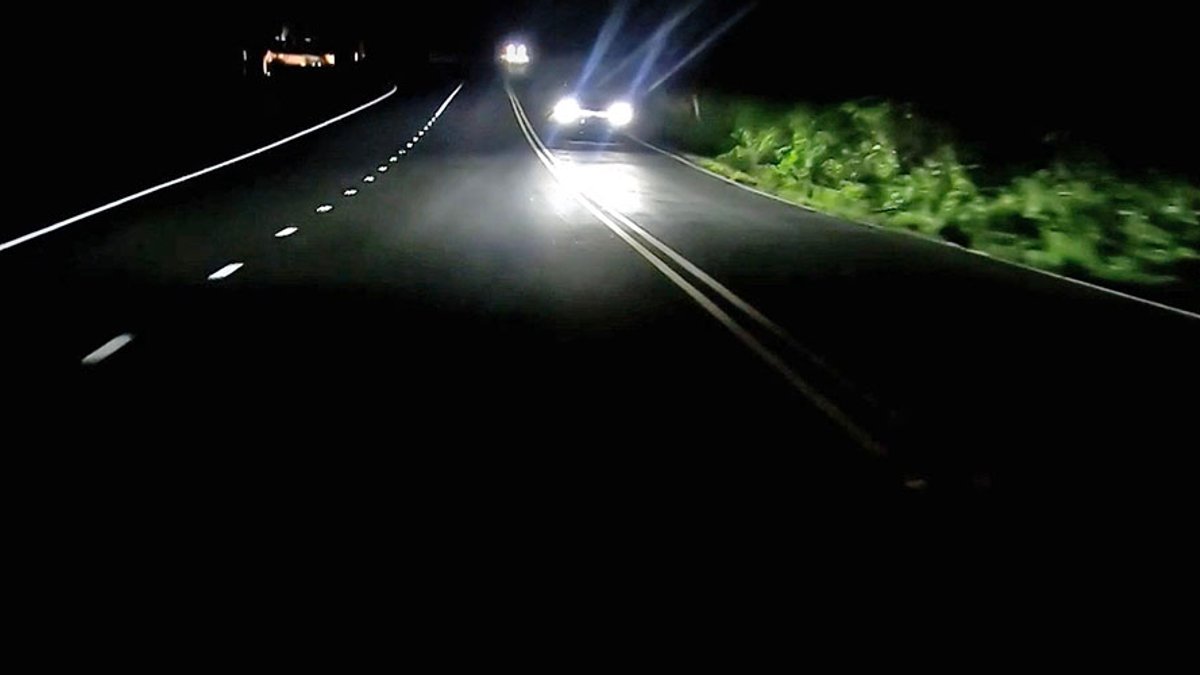
If you have recently driven after dark and questioned whether an approaching SUV left its high beams on, rest assured you aren’t the only one. While advanced headlights now illuminate the road far better than before, they have also created a common annoyance, leaving motorists blinded by intense white LED light. Consequently, the National Highway Traffic Safety Administration is reviewing federal vehicle lighting regulations, with headlight glare being a primary concern.
Modernizing Outdated Lighting Standards
NHTSA announced that it is moving to modernize Federal Motor Vehicle Safety Standard No. 108, the long-standing regulation that covers lamps, reflective devices, and related vehicle lighting equipment. The agency is calling the effort a long-overdue update, which feels appropriate considering just how much headlight technology has changed over the past few decades. LEDs, automatic high beams, adaptive lighting, new lens materials, and far more sophisticated electronic controls have become common while much of the regulatory framework surrounding them has remained rooted in an earlier era.
Glare ranks among the top concerns NHTSA intends to study, yet attributing the problem solely to bright LEDs would be an oversimplification. Factors such as the vertical position of the lamp, its aiming angle, and the geometry of the light distribution are equally critical. This is especially evident as sport-utility vehicles and pickup trucks now represent a significant share of U.S. traffic. A light that is correctly aimed but mounted high can still dazzle drivers seated lower in a car, while even a low-output headlamp can become a nuisance if its beam is misaligned.
Balancing Safety and Visibility
Finding the right compromise matters because superior headlamps genuinely boost safety. Motorists require sufficient light to detect pedestrians, animals, lane lines and other dangers after dark, particularly on streets lacking illumination. The Insurance Institute for Highway Safety reports that higher-performing lamps can lower the rate of night-time collisions, and its evaluations weigh both forward sight distance and glare toward oncoming traffic. Notably, IIHS data indicate a marked progress in recent years, with far fewer newly introduced headlamp designs creating excessive glare compared with the early days of its testing program.
Nevertheless, anyone who frequently travels after dark knows the on-road reality can remain aggravating. In addition to glare, NHTSA is examining ways to simplify the introduction of advanced lighting solutions by manufacturers. Adaptive driving-beam technology exemplifies this shift: rather than toggling the high beams entirely, the system selectively masks sections of the beam to avoid dazzling an oncoming or leading vehicle while still lighting the remainder of the roadway. Such functionality has been commonplace abroad for many years, whereas U.S. regulations only began allowing adaptive beams in 2022.
Expanding Testing and Global Alignment
Revising FMVSS 108 would permit automakers to exploit increasingly complex lighting arrangements without being hampered by regulations designed for older technologies. The agency’s assessment will also address components such as dusk sensors, automatic high-beam functions, interchangeable light sources, plastic optical elements, replaceable lenses, and will update the testing methodology. Additionally, there is a push to achieve better alignment between U.S. lighting rules and the standards employed in other regions.
This harmonization would be especially helpful for multinational car makers, who often must design separate lighting variants for various regions, increasing expense and complexity without necessarily enhancing what drivers perceive. Instead of imposing a fresh rule outright, NHTSA is pursuing a negotiated rulemaking approach, intending to convene manufacturers, safety organizations, engineers, researchers and other interested parties to craft guidance. Transportation Secretary Sean Duffy may select as many as 18 members for the panel, and the agency is also inviting comments from the public.
Submissions and requests to join the committee must be received by November 9, 2026, and any rule modifications will still need a lead-time before they appear on future models. Consequently, the glaring headlights encountered tonight are unlikely to vanish immediately, yet the federal authorities are at least scrutinizing the root causes and how contemporary lighting might be better governed. The goal is not merely to lower brightness, but to create intelligent illumination that supplies drivers with useful light while avoiding discomfort for traffic traveling the opposite way.


