Insurance Adjusters Investigate Claims After Idaho Crashes
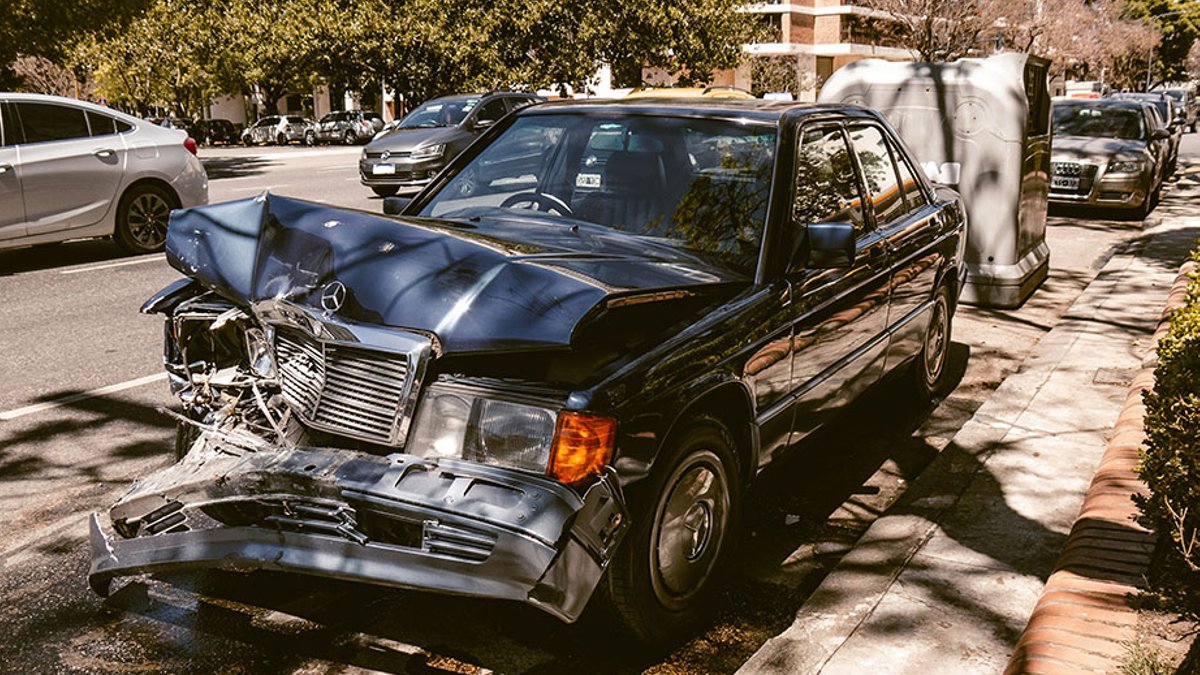
After a collision in Idaho, an injured driver often faces a flood of questions about insurance, medical care, and vehicle damage before the full scope of the injury becomes clear. The process of communicating with an insurer can become difficult to manage quickly. Understanding the steps involved helps a driver approach these early conversations carefully and avoid making decisions without a complete picture of the claim.
What an Adjuster Looks For
The adjuster typically confirms basic facts first. They will ask for the crash date, location, vehicles involved, and any reported injuries. They also check whether the policy covers the accident and if another driver is at fault. Drivers should provide accurate facts without guessing or accepting blame. Statements such as “the crash was probably my fault” can create problems if investigators later identify other causes.
The adjuster reviews evidence to determine how the collision happened. This evidence can include vehicle damage, traffic-camera footage, witness accounts, photographs, cellphone records, and vehicle data. Idaho uses comparative fault rules in personal injury cases. The amount a person recovers can change when an investigation assigns fault to multiple parties. An adjuster therefore looks for statements or evidence that place more responsibility on the injured driver.
Police reports matter, but they do not decide the claim on their own. Insurance companies examine the full record, including inconsistent statements, changing medical complaints, and gaps in treatment. A driver should keep copies of bills, receipts, wage records, prescriptions, photographs, and messages with the insurer to ensure the factual foundation of the claim remains strong.
Why The Adjuster Requests Records
Insurance companies commonly request medical records, bills, wage information, photographs, repair estimates, and the police report. These documents help the adjuster calculate financial losses and compare the claimed injuries with the available evidence. Medical authorization forms deserve careful review. A broad authorization can give an insurer access to unrelated medical history, including records from before the crash. A driver should ask what records the insurer needs and limit permission to relevant information.
Read Also: Extreme Heat Tests Car Cooling Systems Nationwide
The adjuster can also request a recorded statement. A driver does not have to guess about symptoms, recovery time, or future treatment during that conversation. A lawyer can manage communications and explain which questions require a precise response. While a driver should answer basic questions truthfully, they should avoid guesses and delay settlement decisions until the injury picture becomes clear.
Why Early Settlement Offers Need Care
An insurer might present a settlement offer soon after the crash, sometimes before the driver finishes medical treatment. The offer usually reflects documented expenses available at that time, not every future cost. Accepting a settlement generally requires signing a release. That document can end the claim against the insurer and prevent later payment for additional treatment, lost income, or lasting impairment.
A driver should calculate the full value of the claim before accepting money. That calculation can include emergency care, follow-up treatment, medication, lost wages, vehicle damage, pain, and reduced quality of life. Prompt medical care creates a record that connects injuries to the crash. A driver should follow treatment instructions, attend appointments, and report new or worsening symptoms to medical providers.
While keeping a simple timeline can record symptoms, appointments, missed work, and daily limitations, social media requires caution. Photos, comments, or posts about activities can appear inconsistent with claimed injuries. Privacy settings do not prevent an insurer from using publicly available material during an investigation.
When Legal Help Becomes Practical
Legal guidance becomes practical when injuries require extended treatment, fault remains disputed, or an insurer delays payment. It also helps when the crash involves an uninsured driver, a commercial vehicle, or multiple potentially responsible parties. An attorney can investigate the collision, preserve evidence, value future losses, and handle settlement discussions.


