Performance sedans clash in opposing design philosophies
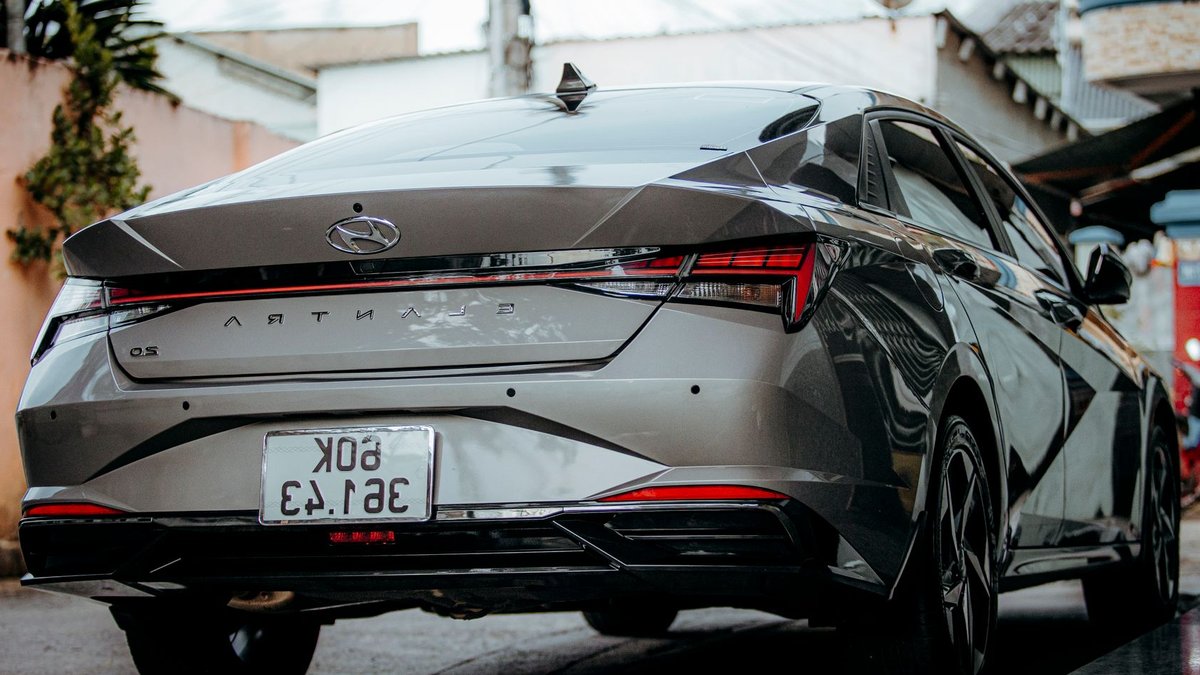
The 2026 Volkswagen GTI and Hyundai Elantra N represent two opposing philosophies in affordable performance cars. One is a track-focused firebrand; the other is a refined daily driver with a sporty edge. Their starting prices are nearly identical, but their approaches couldn’t be more different.
Engineered for Opposite Audiences
The Elantra N is Hyundai’s bold statement—a sedan built for enthusiasts who prioritize driver engagement over subtlety. Under the hood sits a 2.0-liter turbocharged inline-four producing 276 horsepower and 289 lb-ft of torque, propelling it from 0–60 mph in 5.5 seconds with the manual, or 5.0 seconds with the dual-clutch transmission. The 6-speed manual remains available, a rare holdout in an era where automatics dominate. Inside, the sport seats and thick-rimmed steering wheel create an aggressive, involved driving position.
The GTI, by contrast, is Volkswagen’s signature blend of sportiness and practicality. Its 2.0-liter turbocharged inline-four delivers 241 horsepower and 273 lb-ft, though its adaptive suspension and Sport mode transform it from a quiet commuter into a more dynamic handler. The cabin feels premium, with high-quality materials and advanced driver aids that operate seamlessly in the background.
Read Also: Volkswagen Limits ID.4 Charging to 80 Percent as Safety Recall
While the Elantra N’s performance is undeniable, its cabin betrays its budget roots. Hard plastics dominate the interior, and the infotainment system relies on a USB-A port for wireless Apple CarPlay and Android Auto. The styling, with its sharp angles and pronounced rear wing, leans into the performance persona—sometimes to the point of excess. The GTI, meanwhile, offers a more mature aesthetic, though its lack of a manual transmission and tight rear legroom hold it back.
Both cars share a focus on affordability, but their priorities diverge sharply. The Elantra N is a driver’s car first, with performance metrics that rival pricier rivals. The GTI, however, excels as a daily driver that can still deliver thrills when needed. The choice between them hinges on whether you prefer raw engagement or refined versatility.
Hyundai’s approach mirrors the shift in performance sedans over the past decade, where brands like Ford and Chevrolet have adopted manual transmissions and track-oriented tuning in budget-friendly packages. Volkswagen, meanwhile, has long balanced sportiness with practicality, a strategy that has kept the GTI relevant for generations. The Elantra N’s existence suggests Hyundai is doubling down on that trend, but its execution remains a work in progress.
The GTI’s as-tested price of $42,480, nearly $7,000 above the Elantra N’s fully loaded version, raises the question of whether the extra cost is justified. For buyers who value a premium interior, adaptive driving modes, and a more composed ride, the answer is likely yes. But those who crave a manual transmission and a more visceral driving experience may find the Elantra N’s value harder to resist.
Read Also: Subaru unveils new electric platform with 510-horsepower powertrain
Road manners and Practicality
The Elantra N’s turbocharged engine delivers a linear power band that rewards aggressive driving, with the manual transmission offering precise, engaging shifts. The dual-clutch transmission, while quicker in acceleration, lacks the tactile feedback of the manual. The car’s lightweight chassis and stiff suspension make it nimble through corners, though the ride can feel harsh on rough roads.
The GTI’s adaptive suspension adapts to road conditions. The dual-clutch transmission shifts quickly but can feel abrupt at low speeds, particularly in stop-and-go traffic. The GTI’s steering is precise and communicative, though not as direct as the Elantra N’s. Its hatchback body adds cargo flexibility, with the rear seats folding flat to create a spacious trunk. The GTI’s roof rails and available roof rack further expand its utility, making it a practical choice for road trips or outdoor activities.
Technology and Comfort
The Elantra N’s infotainment system uses a touchscreen display with basic navigation and audio controls. The lack of wireless Apple CarPlay or Android Auto means drivers must rely on a USB-A cable for connectivity. Hyundai’s Digital Key system allows keyless entry and start, but the overall tech feel is dated compared to rivals. The cabin’s sport seats and thick steering wheel enhance driver engagement, but the hard plastics and thin padding reduce long-term comfort.


