Classic Cars Clash: DeSoto vs Ford Style Showdown
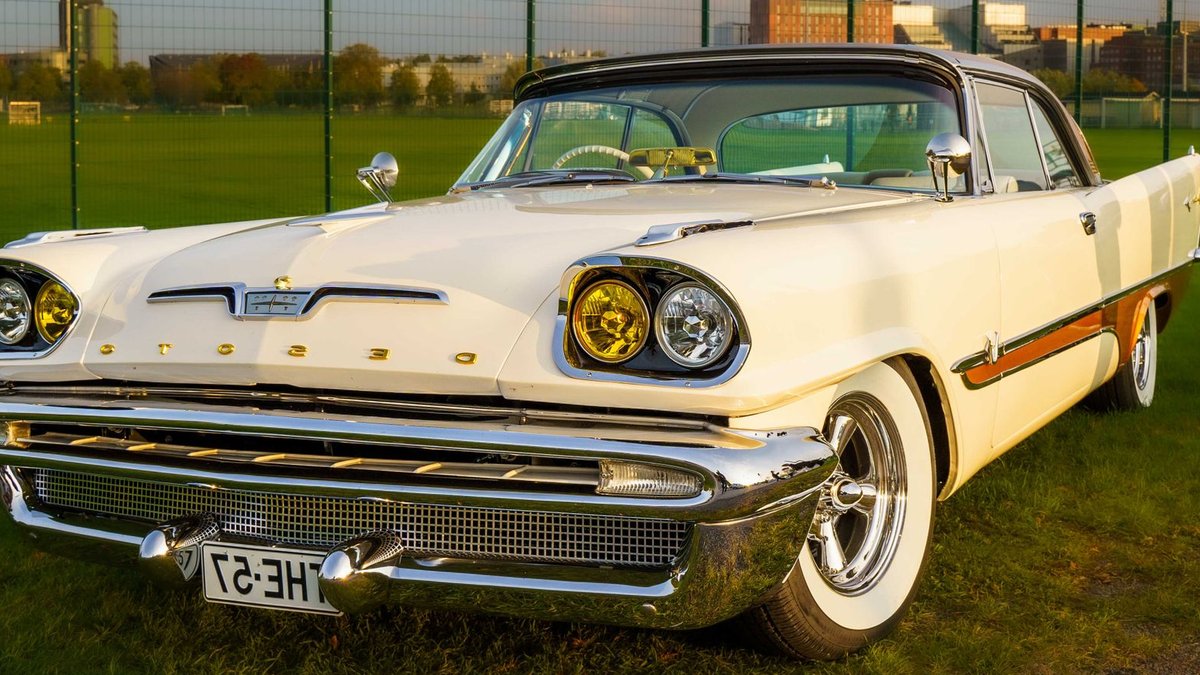
Two classic cars, both with wide whitewalls, are up for comparison: a 1939 DeSoto Business Coupe and a 1955 Ford Crown Victoria. These vehicles, priced at $14,500 and $20,000 respectively, offer a glimpse into the past, free from the complexities of modern technology.
A Tale of Two Classics
The DeSoto, a business coupe, was designed for traveling salesmen, featuring a stripped-down interior with just two seats and a large trunk. Its 228 cubic inch flathead inline-6 engine and three-speed manual transmission deliver a modest 100 horsepower. The car’s Art Deco-inspired dashboard is a standout feature, though the rest of the interior requires attention.
In contrast, the Ford Crown Victoria is a flashier model, part of the 1955 redesign that defined the look of ’50s cars. Its 292 cubic inch OHV V8 engine and four-speed manual transmission are not original but provide a solid driving experience. The interior boasts black and white vinyl seats in a classic tuck-and-roll pattern.
Restoration and Modifications
The DeSoto has undergone some restoration, with rechromed parts and new front tires. However, it needs new rear tires and a fresh paint job. The Ford, a mild custom job, features shaved trim and Mercury station wagon taillights. The seller notes that original trim is included for those interested in returning it to stock condition.
The DeSoto’s Art Deco dashboard and the Ford’s tuck-and-roll seats highlight the era’s craftsmanship. While the DeSoto’s interior needs work, its original engine and recent rewirings make it a compelling choice. The Ford presents a different kind of charm with its non-original engine and modifications.
In a world where refrigerators connect to Wi-Fi and cars report every movement, these classics offer a refreshing escape. They remind us of a time when cars were just cars, built for specific purposes and unburdened by unnecessary complexities. Whether it’s the DeSoto’s purpose-built design or the Ford’s mid-century flair, both cars stand as testaments to a bygone era of automotive simplicity.
Mechanical Simplicity and Longevity
Both vehicles showcase the appeal of mechanical simplicity, a stark contrast to modern cars laden with complex electronics. The DeSoto’s flathead inline-6 engine and the Ford’s OHV V8, despite modifications, exemplify durability. These engines, paired with manual transmissions, ensure the cars remain functional with proper maintenance.
Contrasting Appeal and Personal Preference
The DeSoto and Ford present distinct personalities, catering to different tastes. The DeSoto’s Art Deco dashboard and purpose-built design emphasize simplicity and originality, appealing to those who value authenticity. Its recent rewirings and original engine make it a straightforward choice for enthusiasts seeking minimal modifications.
The Ford, with its flashy redesign and custom touches, offers a more expressive option. Its non-original engine and modifications blend vintage charm with practicality. The tuck-and-roll seats highlight its mid-century flair, attracting those who favor style and individuality.
Practicality and Customization
The DeSoto’s design as a business coupe highlights its practicality for specific purposes, such as traveling salesmen. In contrast, the Ford’s mild custom touches appeal to those seeking a unique aesthetic.
The DeSoto’s recent rewirings and carburetor rebuild ensure it remains a reliable choice for enthusiasts valuing originality. The Ford’s interior adds character, though its unusual steering wheel remains a mystery. The DeSoto’s Art Deco dashboard stands out, but its interior requires restoration, offering an opportunity for personalization.


