Turkish Engineers Built First Car in 130 Days
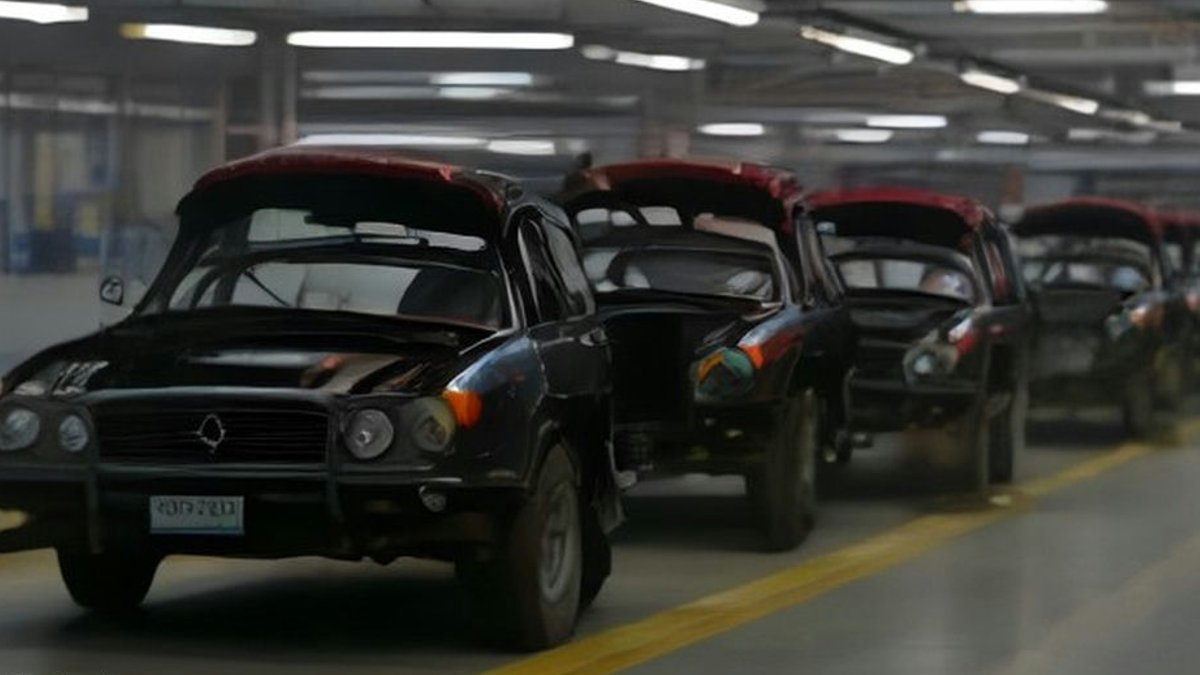
Thanksgiving is a time for gratitude, and this year, it’s also an opportunity to reflect on the history of the Turkish automotive industry. While the holiday is primarily American, it’s a chance to explore the story of the Devrim, the first Turkish car.
The Birth of a Turkish Car
In May 1961, Turkish President Cemal Gürsel addressed an automotive industry meeting, emphasizing the importance of a modern country producing its own transportation vehicles. He stated, “When it comes to the automotive industry, a modern country must produce its own transportation vehicles.” Despite skepticism, Gürsel ordered a team of 24 engineers to build a fully Turkish car within 170 days.
The team, assembled from multiple companies, managed to design and build four prototypes of the Devrim, meaning “revolution” in Turkish, in just 130 days. The car featured a 2070cc inline-four engine, producing around 50 horsepower. Its design was conventional, resembling an Opel of the era.
A Revolutionary Achievement
The Devrim’s creation was a remarkable feat, considering the tight deadline. However, its story is also one of missed opportunities and setbacks. On Republic Day, two prototypes were sent to Ankara for a demonstration drive by President Gürsel. Unfortunately, one car stalled after just 300 feet due to insufficient fuel.
Gürsel later reflected on this incident, stating that the car stalled due to insufficient fuel. While the other car completed a successful drive, the initial embarrassment may have contributed to the Devrim’s failure to enter production.
Despite this setback, Türkiye’s automotive ambitions didn’t end with the Devrim. Just five years later, the country launched the Anadol.
The Devrim’s story is a reminder of the challenges and triumphs of innovation. While it may not have achieved mass production, its creation remains a sign of the ingenuity and determination of the Turkish engineers who built it against all odds. As we celebrate Thanksgiving, it’s a fitting time to appreciate the revolutionary spirit that drives human achievement, even in the face of adversity.
One surviving Devrim remains, showcasing the team’s remarkable work. Its “chrome” trim appears to be painted metal, and some components, like the speedometer, were likely borrowed from other cars, such as the Volkswagen Beetle. This improvisational approach highlights the resourcefulness required to meet the ambitious deadline.
The surviving Devrim, with its painted “chrome” trim and borrowed components, stands as a sign of the resourcefulness and creativity of the engineers who built it. The car’s speedometer, likely sourced from a Volkswagen Beetle, is a small but significant detail that highlights the team’s improvisational approach. In conclusion, the Devrim’s legacy is a sign of the innovative spirit of Turkish engineers, and its story continues to inspire and fascinate people to this day.


