Scion Returns With Rebadge of 22-Year-Old Kei Truck
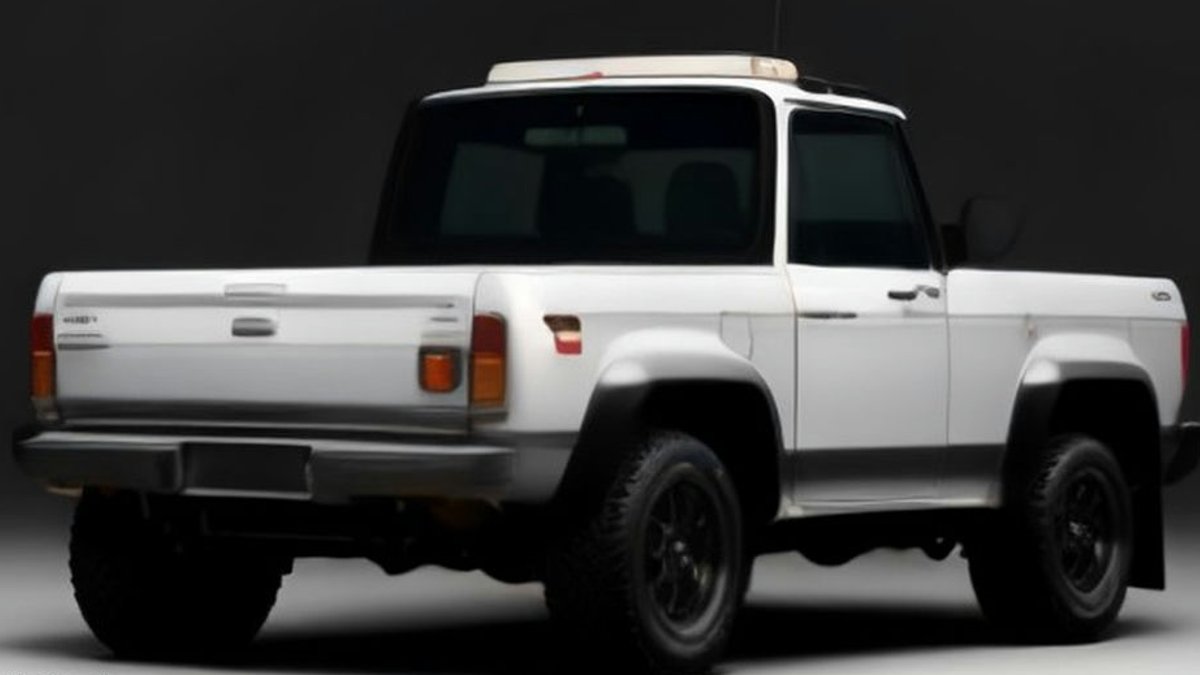
Toyota recently announced the revival of the Scion brand, but the automaker’s first return involves a vehicle that looks more like a rebadge than a fresh start. The company plans to sell the KEI-01, a low-speed commercial mini truck, in late 2027. Despite the Scion name returning, this car is essentially a Toyota Pixis, or Daihatsu Hijet, with a speed governor installed. During a November event, the writer noted the KEI-01 still features a Japanese gauge cluster with a top speed of 85 mph, which is significantly higher than the version for the United States.
Importing road vehicles under 25 years old into the United States is restricted. Federal regulations require compliance with safety and environmental standards, or the car must be at least 25 years old. Many states also ban kei vehicles that do not meet these federal rules. Since current kei models are not built to American standards, importing them directly is difficult. Toyota is avoiding these hurdles by “manufacturing” the KEI-01 in a U.S. plant and selling it as a Low-Speed Vehicle (LSV). This classification allows the truck to be registered in states where strict import laws apply.
KEI-01’s Surprising Capabilities
Beyond the interior, the KEI-01 is surprisingly capable. Its 660cc engine provides enough power to pop the driver back into the seat when flooring the gas. The tiny wheelbase creates a 12-foot turning radius, which is only one foot longer than the truck’s entire length. Despite its small size, the bed measures 6.5 feet, matching the cargo area of many full-size American trucks like the Tundra, F-150, and Silverado. On a dirt and gravel track, the truck handled elevation changes with ease, offering a fun driving experience limited only by the speed governor.
While the KEI-01 offers a quirky and enjoyable drive, the experience feels hollow. The writer noted that nothing about the truck, other than the speed limiter, differentiated it from a car that has existed since 2004. Thousands of these vehicles already operate on foreign roads with higher top speeds. The writer feels the American market is receiving “stale leftovers” as a result of import and safety laws. Even with the clever supply chain workaround to avoid import status, the first new Scion being a rebadged, 22-year-old model cheapens the brand.
Scion’s Innovative Concepts
Toyota has two other Scion concepts, the SxS and BKE-01, which were not available for the writer to drive but offer a stark contrast. The SxS is a side-by-side off-roader with a chassis designed for stability at high speeds. The BKE is a battery-powered, suitcase-like vehicle designed to fit in a GR86 trunk, featuring off-road tires and a high-quality build. Both concepts feel like polished, unique products engineered to improve upon existing market competitors.
The SxS concept offers a distinct departure from the KEI-01. The writer observed the vehicle become airborne during a test ride, feeling stable.
BKE: Battery-Powered Suitcase Vehicle
It folds to fit inside a GR86 trunk. This design mirrors the Honda Motocompacto. However, the BKE targets off-road and rough-terrain scenarios. It includes air-filled tires, gas-strut suspension, and hidden storage. The writer noted the build quality appeared exceptional. The team used aluminum or carbon fiber for any component that could support it.
The SxS and BKE concepts have no projected launch dates. The KEI-01 stands out as the least impressive despite coming to market first. The other two projects offer a level of innovation that the KEI-01 lacks. The writer admits to enjoying the novelty of the KEI-01. Yet, the realization that it is a repackaged old model dampens the excitement.


