Subaru unveils new electric platform with 510-horsepower powertrain
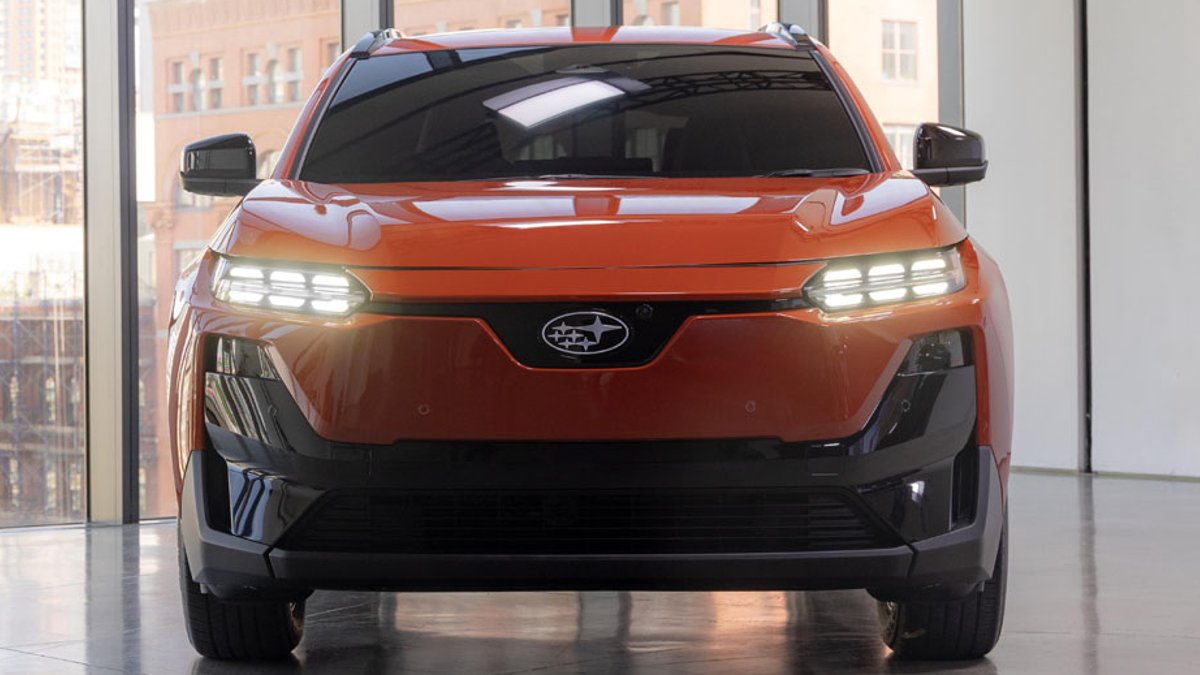
Subaru is set to make a significant move toward creating its own electric-vehicle architecture, and the Japanese brand has just disclosed encouraging specifics about the forthcoming platform. The company has gradually broadened its EV roster with models such as the Solterra, Uncharted and Trailseeker, although much of the underlying technology has stemmed from its alliance with Toyota. At this stage, Subaru aims to carve out a more autonomous presence in the EV arena, emphasizing the all-wheel-drive performance, safety standards and driving feel that have long characterized the marque. Automotive News reports that the firm recently rolled out an early prototype of the dedicated electric architecture in Japan, previewing technology slated to reach buyers roughly by 2029.
A 510-Horsepower Powertrain
The most exciting part of Subaru’s announcement is the performance potential of its new electric powertrain. The automaker used a modified Subaru Outback body with an extended wheelbase to demonstrate a dual-motor all-wheel-drive system producing approximately 510 horsepower. The front electric motor generates 201 horsepower, while the rear motor contributes another 308 horsepower, giving the prototype enough muscle to accelerate from 0 to 62 mph in less than four seconds. Those are impressive numbers for a brand traditionally associated with practical, adventure-ready vehicles rather than outright speed.
Subaru is also prioritizing electric motor advancements, focusing on reducing size, weight, and energy use. Developed in collaboration with automotive supplier Aisin, the new motors are reportedly about 30 percent more efficient than the industry average, according to Subaru engineers. That’s a meaningful improvement because electric vehicle efficiency isn’t simply about squeezing more miles out of a battery. More efficient motors can also reduce energy consumption, improve overall vehicle packaging, and potentially help keep production costs under control. The platform even includes an integrated control unit that supports over-the-air software updates—a growing necessity as vehicles increasingly depend on software for everything from power management to safety systems.
Read Also: Los Angeles DUI Lawyers Challenge Evidence
Lighter Batteries and Improved Safety
Battery technology is another breakthrough area for Subaru. Collaborating with Panasonic Energy, the company has engineered a new pack using around 4,000 cylindrical cells. Subaru claims the design is 25 percent lighter than its previous battery while targeting energy density roughly 20 percent higher than the industry average. When paired with the more compact motors, the entire system weighs about 220 pounds less than Subaru’s current EV setup—a critical advantage, as battery weight remains a major hurdle for electric SUVs.
Safety remains a core focus, aligning with Subaru’s reputation for protecting occupants. The new platform features a reinforced front end that absorbs impact better while shielding passengers and the battery. A clever design twist allows the front motor to rotate during collisions, dispersing force instead of acting as a rigid barrier. Additionally, Subaru is upgrading its EyeSight driver-assistance system with AI and enhanced electronics, reinforcing its commitment to both safety and smart technology.


