
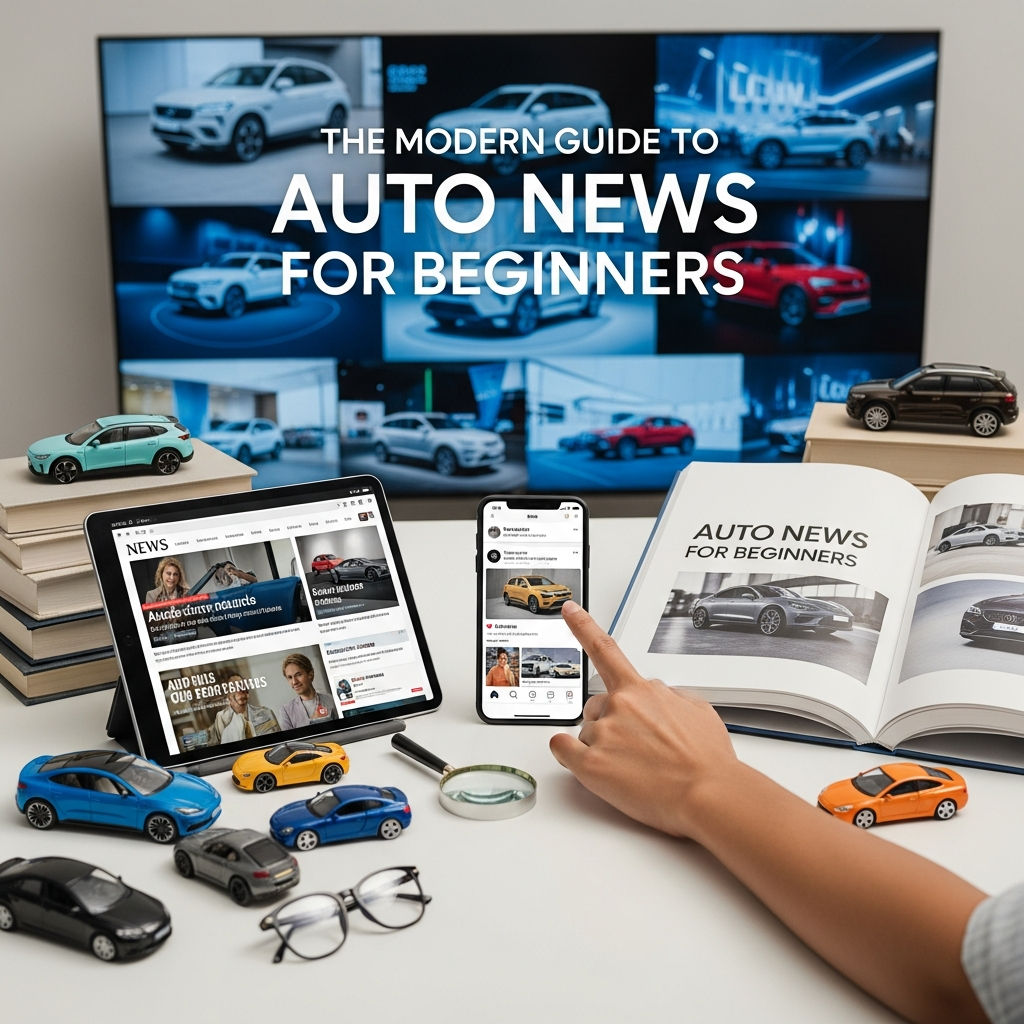
The Modern Guide to Auto News for Beginners: Navigating the Future of Transportation
The automotive industry is currently undergoing its most significant transformation since Henry Ford introduced the Model T. For a long time, “auto news” was a niche field reserved for “gearheads” interested in horsepower, torque, and chrome finishes. However, in the modern era, the car has evolved into a sophisticated mobile computer, a primary tool in the fight against climate change, and a centerpiece of global economic policy.
Whether you are looking to buy your first car, curious about the latest tech, or interested in how green energy is shaping the world, following auto news has never been more relevant. This guide is designed to help beginners navigate the complex, fast-paced world of automotive journalism without getting lost in technical jargon.
Why Auto News Matters to Everyone
You might wonder why a casual driver should keep up with industry headlines. Today, auto news intersects with several critical areas of daily life:
- Financial Planning: Cars are often the second-largest purchase a person makes. Understanding market trends, interest rates, and depreciation helps you make smarter financial decisions.
- Technological Integration: Modern cars use the same chips and software found in high-end smartphones. News about Apple CarPlay, Android Auto, and over-the-air (OTA) updates affects how you interact with your vehicle.
- Environmental Impact: With the global push toward Net Zero, the shift from internal combustion engines (ICE) to electric vehicles (EVs) is a major news driver.
- Safety: Innovations in Driver Assistance Systems (ADAS) and autonomous driving technology are constantly making roads safer.
Key Themes in Modern Auto News
To understand the current landscape, you need to recognize the four major “megatrends” that dominate the headlines today. These are often referred to by the acronym CASE: Connected, Autonomous, Shared, and Electric.
1. The Electric Revolution (EVs)
This is arguably the biggest story in the automotive world. Almost every major manufacturer has pledged to transition to electric power within the next decade. When reading about EVs, you will frequently see discussions about battery chemistry, “range anxiety” (the fear of running out of power), and the development of national charging infrastructures.
2. Autonomous Driving and ADAS
While fully “self-driving” cars are still a work in progress, the news is filled with updates on Level 2 and Level 3 automation. This includes features like adaptive cruise control, lane-keeping assist, and hands-free highway driving. Understanding the difference between marketing hype and actual capability is a crucial skill for any beginner.
3. Software-Defined Vehicles
The modern car is increasingly defined by its software rather than its engine. This has led to “subscription models” for car features—such as paying a monthly fee for heated seats—which is a controversial and frequently discussed topic in auto news.
4. Sustainability Beyond the Tailpipe
News is no longer just about zero emissions; it’s about how the car is made. Beginners should look for stories regarding “circular economies,” where manufacturers use recycled ocean plastics for interiors or implement carbon-neutral manufacturing processes.
Decoding Automotive Jargon
One of the biggest barriers for beginners is the acronym-heavy language used by enthusiasts and journalists. Here is a quick “cheat sheet” to help you decode common terms:
- ICE: Internal Combustion Engine (Traditional gas or diesel engines).
- BEV: Battery Electric Vehicle (Powered entirely by electricity).
- PHEV: Plug-in Hybrid Electric Vehicle (Has both a battery and a gas engine).
- MPG vs. MPGe: Miles Per Gallon (gas) vs. Miles Per Gallon Equivalent (electric efficiency).
- OTA Updates: Over-the-Air updates (Software updates sent to the car via Wi-Fi/Cellular, similar to a phone).
- Torque: The “pulling power” of a car. EVs typically have high “instant torque,” making them feel very fast from a standstill.
- LiDAR: Light Detection and Ranging (A laser-based sensor used for self-driving technology).
Where to Find Reliable Auto News
In the digital age, information is everywhere, but not all of it is accurate. To get a well-rounded view of the industry, you should consume a mix of different media types:
Traditional Automotive Outlets
Legacy publications like Car and Driver, MotorTrend, and Road & Track are excellent for deep-dive reviews, performance testing, and long-form journalism. They have decades of experience and a rigorous testing methodology.
Tech-Focused News Sites
Because cars are now “computers on wheels,” tech sites like The Verge, TechCrunch (specifically their “Transportation” section), and Engadget provide excellent coverage on EV tech, software, and autonomous driving.
YouTube and Visual Media
For many, seeing a car in motion is better than reading about it. Channels like The Fast Lane Car, Doug DeMuro, and Carwow offer accessible, entertaining, and highly informative video reviews that are perfect for beginners.
Industry Analysts and Business News
If you are interested in the economic side—stock prices, CEO shifts, and supply chain issues—follow Automotive News (the industry “bible”) or the business sections of Bloomberg and The Wall Street Journal.
How to Read a New Car Reveal
Manufacturers are masters of marketing. When a new car is “revealed,” it is usually accompanied by flashy videos and bold claims. As a savvy reader of auto news, you should look for three specific things to determine if the news is actually groundbreaking:
1. Specs vs. Reality: A car might be advertised with a “300-mile range,” but check if that is based on the optimistic WLTP cycle (Europe) or the more realistic EPA cycle (USA). Always look for “real-world” testing results.
2. Price Transparency: Headlines often scream about a low starting price. Look closer to see if that price includes “destination charges” or if the features everyone wants are only available on a much more expensive trim level.
3. Availability: Many “reveals” are for concept cars that won’t be in showrooms for years. Pay attention to the “on-sale” date to distinguish between current news and future speculation.
The Role of Policy and Regulation
Modern auto news is heavily influenced by government action. From the Inflation Reduction Act (IRA) in the United States, which provides tax credits for EVs, to the European Union’s ban on new gas car sales by 2035, politics and cars are now inseparable. For a beginner, staying informed means keeping an eye on these regulations, as they will ultimately dictate what cars are available for you to buy and how much they will cost to fuel or charge.
Conclusion: Navigating the Road Ahead
The world of auto news is no longer just about the “joy of the drive”; it is a window into the future of technology, energy, and urban living. By focusing on the “CASE” trends, learning the basic jargon, and diversifying your news sources, you can move from a confused observer to an informed participant in the automotive conversation.
As the industry moves toward a more sustainable and automated future, staying informed will help you save money, stay safe, and choose a vehicle that fits not just your lifestyle, but the world of tomorrow. Start small—pick one or two reputable sites, subscribe to a newsletter, and soon you’ll be speaking the language of the modern road with confidence.