NYC Replaces Street Parking With New Trash Bins
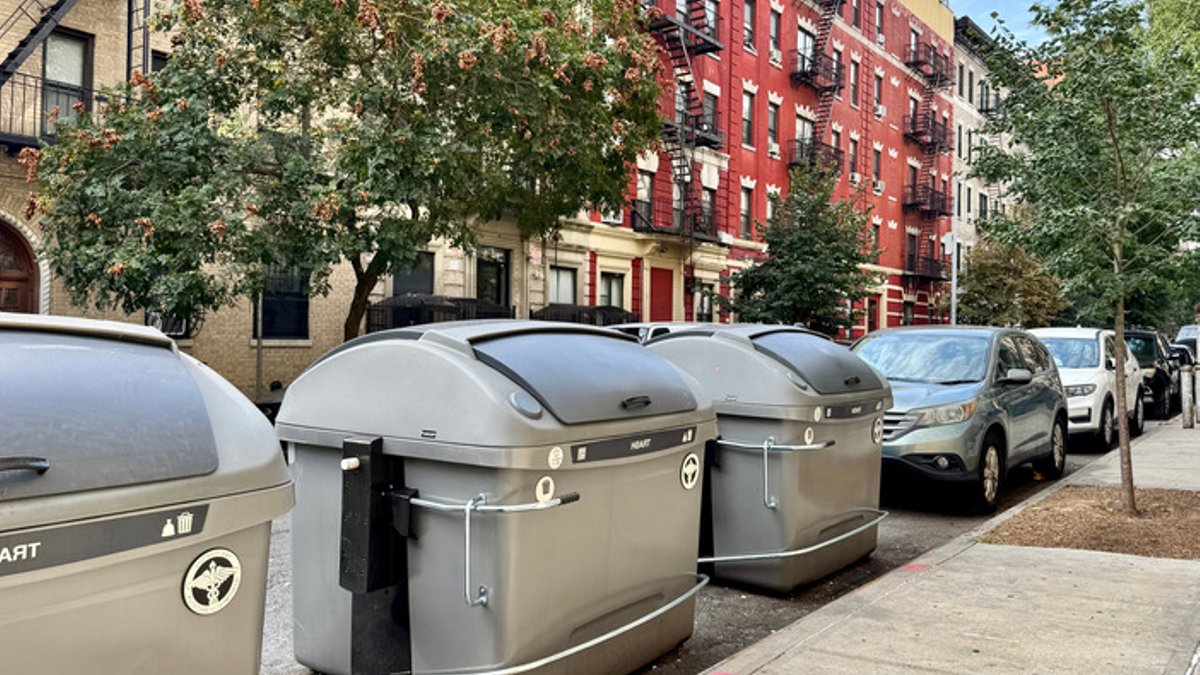
New York City trades street parking for trash bins as the administration moves forward with a plan that will eliminate roughly 30,000 parking spaces across all five boroughs in exchange for additional curbside containers.
Citywide rollout targets Manhattan’s upper neighborhoods
The proposal, announced by the mayor’s office, calls for a dense placement of trash cans on the Upper East Side and Upper West Side. In those areas, a bin will replace one in every ten street parking spots, a ratio higher than in the outer boroughs where the containers will be spaced farther apart.
Officials say the change is intended to streamline waste collection and reduce litter that attracts rodents. By concentrating bins in high‑traffic zones, the municipality hopes to make trash pickup more efficient, allowing trucks to empty containers without traveling through narrow streets.
Transportation analysts note that the loss of parking could affect drivers who rely on curbside spaces for daily commuting. The plan will mitigate the impact by adjusting alternate‑side parking rules, though the specifics of those adjustments have not been detailed.
Reactions from drivers and local observers
Long‑time residents of Manhattan’s affluent districts have expressed mixed feelings. Some welcome cleaner sidewalks, while others worry about the inconvenience of finding alternative parking.
One frequent street‑parker, who regularly parks large press vehicles on the Upper East Side, acknowledged the trade‑off. He described the new bins as “worth it and then some,” noting that he already avoids non‑main streets after dark because of rat activity—a problem the plan aims to address.
Related: Mitsubishi Delica, RAV4 Convertible, and Lancer Evo Wagon Hit the Market
Critics argue that eliminating parking could push drivers onto already congested streets, potentially increasing traffic snarls during peak hours. The administration, however, maintains that the overall benefit to public health and sanitation outweighs the short‑term loss of parking.
From a broader perspective, the initiative reflects a growing trend in large cities to prioritize pedestrian spaces and waste management over vehicle storage. As urban density rises, municipalities often reassess the allocation of curb space, balancing the needs of drivers with those of pedestrians, cyclists, and public services. This shift can influence how residents interact with their neighborhoods, encouraging a move toward public transit and other non‑driving options.
City officials have not released a timeline for the installation of the new containers, but they indicated that the rollout will be phased, beginning with the most congested blocks. The plan includes an outreach component to inform the public about changes to parking regulations and to provide guidance on finding alternative spots.
While the mayor’s office emphasizes the environmental and health advantages, the practical impact on daily commuters will become clearer once the bins are in place. Residents are advised to stay informed through official city communications and to adjust their parking habits accordingly.
Commuters should also review recent updates to traffic accidents law to avoid inadvertent violations during the transition.

Mitsubishi Delica, RAV4 Convertible, and Lancer Evo Wagon Hit the Market


