How Side Loaders Enhance Workplace Productivity
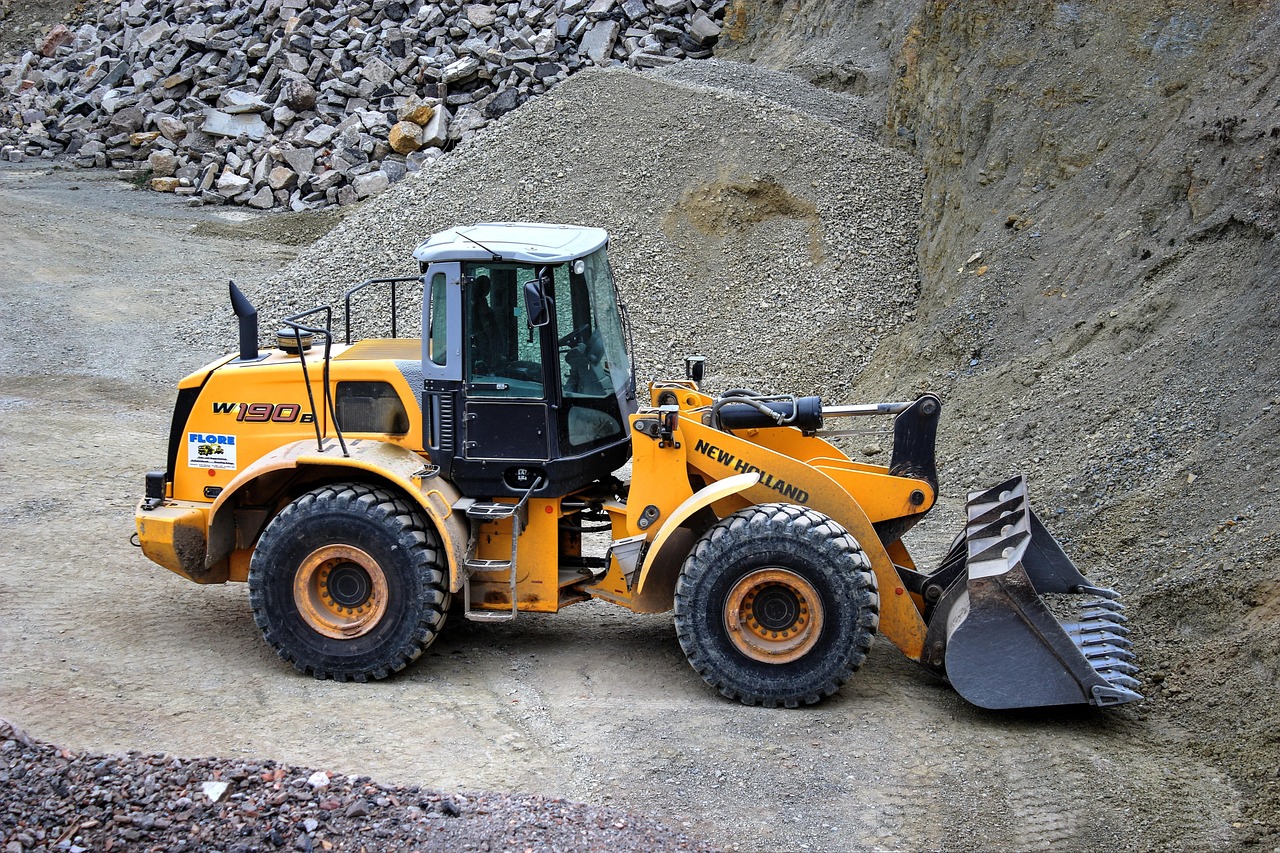
Workplace productivity in industries such as warehousing, manufacturing, logistics, and construction relies heavily on the efficient movement of materials. Handling long, heavy, or oversized items can often slow down operations and increase labor costs. Side loaders are specialized material handling machines designed to address these challenges. By offering stability, precision, and maneuverability, side loaders significantly enhance workplace productivity. This article explains how these machines contribute to faster, safer, and more efficient operations.
1. Faster Material Handling
One of the most direct ways side loaders enhance productivity is by speeding up material handling. Unlike traditional forklifts, which lift loads from the front and may require multiple adjustments, side loaders pick up and transport materials from the side.
Benefits for Material Movement:
- Direct side loading eliminates repositioning
- Smooth transport of long or bulky materials
- Quick placement in storage racks or on transport vehicles
Faster handling reduces cycle times, allowing operators to complete more tasks in the same amount of time.
2. Efficient Handling of Long and Heavy Loads
Industries often deal with long and heavy materials such as steel beams, pipes, timber, and panels. Standard forklifts can struggle with these loads, requiring extra care and slowing down operations. The side loader is specifically designed for these materials, carrying them parallel to the direction of travel.
Impact on Productivity:
- Fewer handling steps due to full-length support
- Reduced risk of bending, shifting, or damage
- Fewer operators required to manage heavy materials
By enabling a single operator to move long and heavy loads efficiently, side loaders reduce labor requirements and save valuable time.
3. Optimized Space Utilization
Modern workplaces often face space constraints, especially in warehouses or storage facilities. Side loaders can operate in narrow aisles, allowing facilities to store more materials within the same area.
Productivity Advantages:
- Higher storage density improves material organization
- Less time spent navigating wide aisles or rearranging loads
- Reduced congestion in busy work areas
Better space utilization ensures smoother workflows and faster access to materials, which contributes to higher productivity.
4. Reduced Material Damage and Rework
Handling long or heavy materials improperly can lead to damage, requiring rework and additional labor. Side loaders provide stable and controlled transport, supporting the full length of materials and reducing the risk of bending or collisions.
Benefits:
- Fewer damaged goods mean less time spent on rework or replacements
- Consistent load handling reduces workflow interruptions
- Improved confidence for operators, allowing faster and more efficient operation
By minimizing errors and damage, side loaders help maintain a continuous and productive workflow.
5. Improved Operator Efficiency
Side loaders are designed with operator comfort and safety in mind. Features such as ergonomic cabins, clear visibility, precise controls, and stable handling reduce fatigue and allow operators to work longer without loss of efficiency.
Operator Productivity Benefits:
- Less downtime due to operator fatigue
- Faster handling thanks to better visibility and control
- Fewer accidents and safety incidents
Comfortable and confident operators are more efficient, completing tasks faster and maintaining high productivity levels.
6. Versatile Applications for Multiple Tasks
Side loaders are versatile machines capable of performing multiple tasks across warehouses, ports, and industrial yards. They handle long materials, containers, heavy panels, and oversized cargo with ease.
Impact on Workplace Productivity:
- One machine can perform tasks that would otherwise require multiple machines
- Flexible use across different departments reduces equipment downtime
- Simplifies training and workflow management
This versatility allows businesses to optimize their equipment investment while increasing operational output.
7. Faster Loading and Unloading Cycles
Time spent loading and unloading materials can create bottlenecks in workplaces. Side loaders reduce handling time by allowing direct access to materials and enabling precise placement.
Productivity Advantages:
- Efficient loading and unloading of trucks, trailers, and storage racks
- Reduced waiting time for operators and vehicles
- Improved workflow continuity
Faster cycles mean more materials can be moved in less time, directly boosting productivity.
8. Enhanced Safety Leading to Consistent Productivity
Workplace accidents or material handling errors can slow down operations significantly. Side loaders enhance safety by providing stable transport, better visibility, and reliable control.
Safety-Driven Productivity:
- Fewer accidents lead to less downtime
- Reduced risk of product damage maintains workflow
- Operators can focus on efficient material handling instead of mitigating risks
A safe work environment allows continuous operation, which is essential for maximizing productivity.
Conclusion
Side loaders enhance workplace productivity through a combination of speed, stability, and precision. Their ability to handle long and heavy materials, operate in narrow spaces, reduce damage, and improve operator efficiency makes them indispensable in modern industrial environments.
By reducing handling time, minimizing errors, and optimizing workflow, side loaders help businesses achieve faster operations, lower labor costs, and higher output. For industries that regularly manage heavy or oversized materials, investing in side loader equipment is a strategic move toward greater efficiency and productivity.

Your Ultimate Guide to Choosing the Best Car Shipping Service for Safe and Reliable Vehicle Transport


